Introduction
On June 16, 2026, Framer shipped version 3.0 — and it’s hard to overstate what that means for the no-code and design world. This isn’t a routine update with a handful of quality-of-life improvements. Framer 3.0 arrives with three headline features: AI Agents, Branching, and a completely redesigned Community. Together, they push Framer from a powerful design tool into something closer to a full creative operating system.
For years, the promise of AI in design has been tantalizing but frustratingly shallow — chatbots that generate static mockups, tools that produce something impressive in a demo and fall apart in production. Framer 3.0 takes a different approach, and the results are genuinely exciting.
AI Agents Built Into the Canvas
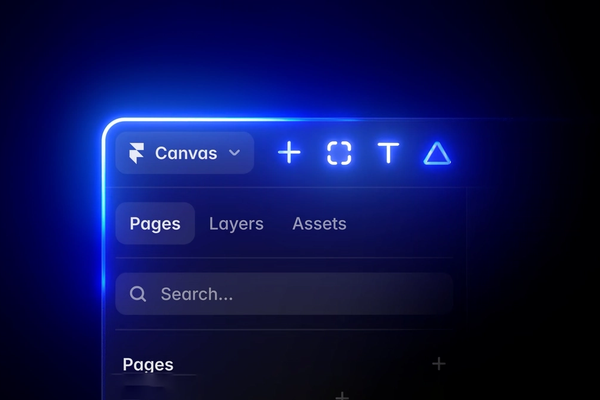
Most AI design tools live in a sidebar or a chat window, disconnected from the actual work. Framer Agents are different. They operate directly inside the design canvas — think of it as what Cursor is for code, but for visual design. The Agent sees exactly what you see, works in the same environment, and can touch every layer of your project.
That means Agents aren’t just generating pretty pictures. They can interact with components, CMS content, styles, SEO settings, and the publishing workflow — the full stack of a real web project. Here’s what Framer Agents can do:
- Generate complete pages from scratch based on a prompt
- Generate designs from screenshots or reference images
- Handle responsive breakpoints automatically
- Design within existing pages without disrupting your layout
- Create layouts and structure content intelligently
- Organize color and text styles across a project
- Add effects and interactions to elements
- Write custom code components
- Write and improve copy and content
- Generate SEO metadata for pages
- Manage CMS collections and content entries
- Audit broken links and accessibility issues
From Prototype to Production
One of the most persistent frustrations with AI-generated websites is the gap between the demo and the real thing. A tool produces something beautiful in a controlled environment, and then the moment you try to take it into production — with real content, real constraints, real team feedback — it falls apart.
Framer Agents close that gap because they work in the same environment where teams actually design, review, and publish. There’s no export step, no handoff, no translation layer. The workflow is refreshingly direct:
Prompt → Inspect → Edit → Publish
You describe what you want, the Agent builds it, you inspect and refine, and you publish — all without leaving Framer. For solo creators and professional teams alike, that continuity is a genuine game-changer. The AI isn’t handing you a starting point; it’s working alongside you all the way to launch.
Branching: AI That Works for Teams
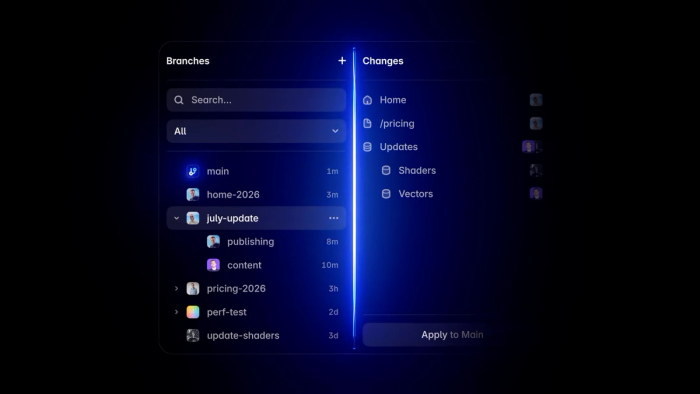
AI tools that work beautifully for solo creators often break down the moment a team gets involved. Framer’s answer to that is Branching — a workflow borrowed from software development and adapted for design.
With Branching, teams can now:
- Create isolated branches to experiment without affecting the main project
- Review and compare changes before they go live
- Collaborate asynchronously across different parts of a project
- Merge changes when they’re ready and publish with confidence
The Agents Hackathon
To celebrate the launch of Framer 3.0, Framer ran a 24-hour hackathon with $100,000 in prizes — and the response was extraordinary. There were no strict categories, no narrow briefs. The only rule: build something great.
The community delivered. 595 entries poured in from designers and developers around the world, showcasing everything from polished product sites to genuinely experimental creative work. Winners are being announced on June 23, 2026, but some of the standout entries are already generating buzz:
- Field Synth by Fabian Albert
- Caelara by Ema Designs
- EXOSCAPE by Konstantin
- And dozens of other inventive experiments pushing the boundaries of what Framer Agents can do
The hackathon wasn’t just a marketing event — it was a proof of concept for the entire Framer 3.0 vision. In 24 hours, hundreds of creators demonstrated that AI Agents in the canvas can produce real, impressive, production-ready work. You can explore all the entries and follow the winner announcements at the Agents Hackathon page.
A New Framer Community
Alongside the 3.0 launch, Framer unveiled a completely redesigned Community — and it’s more than a facelift. The new Community is a full ecosystem built around the people who create with Framer every day.
The redesigned Community includes:
- Marketplace — where creators sell templates, components, and plugins
- Gallery — a curated showcase of outstanding Framer work
- Awards — recognizing the best of the community
- Social Feed — a space to share work, get feedback, and stay inspired
- Members — profiles and discovery for the Framer creator community
- Contests — structured challenges like the Agents Hackathon
The numbers behind the Marketplace are striking. Over 7,000 creators sell through it, and Framer paid out $6.5 million to creators in 2025 alone — with 200% year-over-year growth. That’s not a side feature; that’s a thriving creative economy built on top of a design tool.

Closing Thoughts
Framer 3.0 represents something more than a product update. It’s a meaningful shift in what AI means for designers. For too long, AI in design has been a novelty — impressive in isolation, impractical in the real world. Framer Agents change that equation by putting AI where the work actually happens: inside the canvas, inside the workflow, inside the team.
Combined with Branching’s team-friendly structure and the raw creative energy on display at the Agents Hackathon, Framer 3.0 feels like a genuine inflection point for web design. The tools are finally catching up to the ambition.
The best Framer sites of the next few years won’t just be designed by talented people — they’ll be designed by talented people working alongside AI that actually understands the craft. That future arrived on June 16, 2026.